Field guide · 2026 edition

Natural fiber clothing —
a quieter way to dress,
woven by nature.

A slow-read guide to the nine most widely woven natural fibers — organic cotton, linen, hemp, bamboo, ramie, wool, silk, cashmere, and alpaca. Their origins, care, and why they last. Written for people who'd rather understand their clothing than chase it.
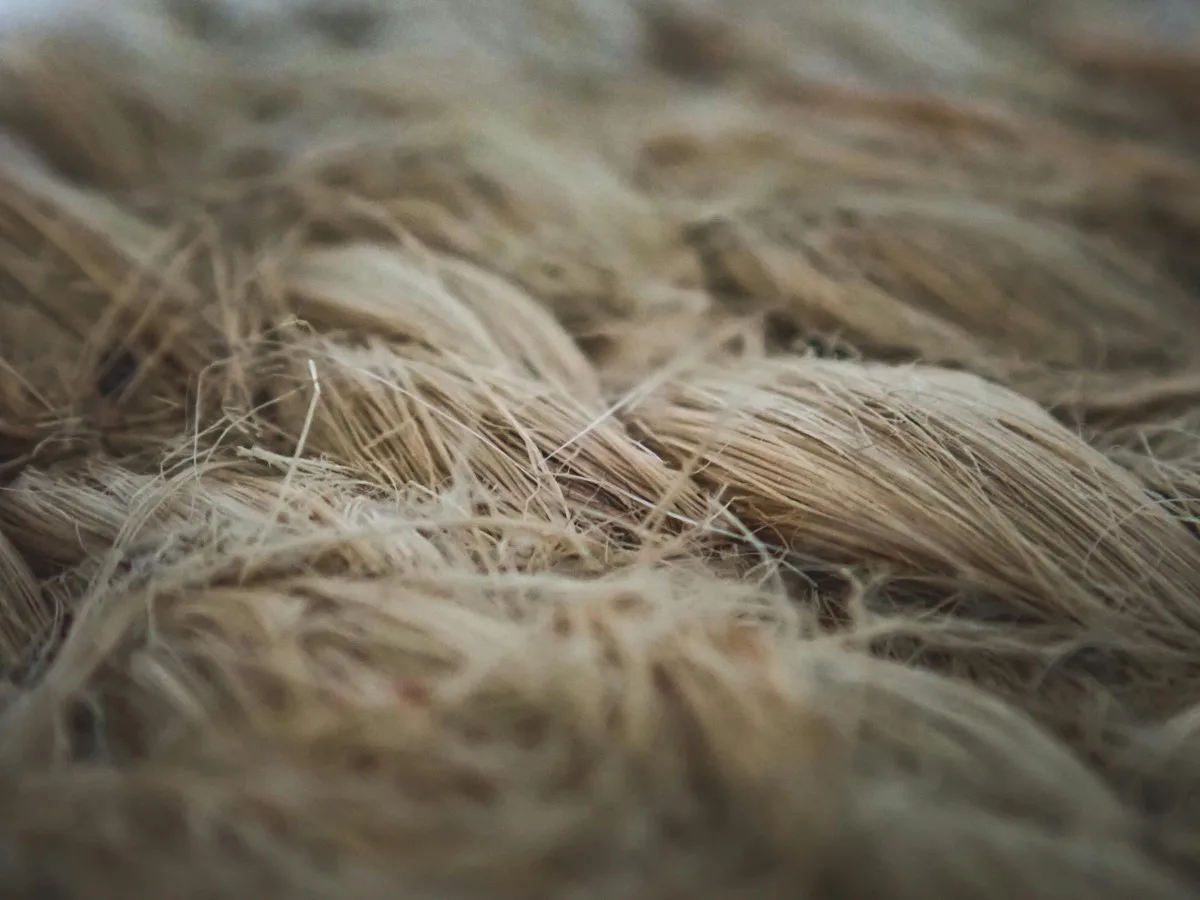
Raw flax fiber — the source of linen
Flax · Linum usitatissimum
Biodegradable Breathable Renewable Hypoallergenic Research-backed
The guides · 01

Nine fibers,
one quiet philosophy.

Every fiber here is grown, not extruded. From familiar cotton to rare ramie — each guide covers origin, feel, care, and environmental context in a single slow read.

9 guides
Organic cotton fabric Most Popular
Plant · 01

Organic Cotton

The world's most versatile natural fiber. Soft, breathable, and kinder to skin when grown without pesticides.

Read guide
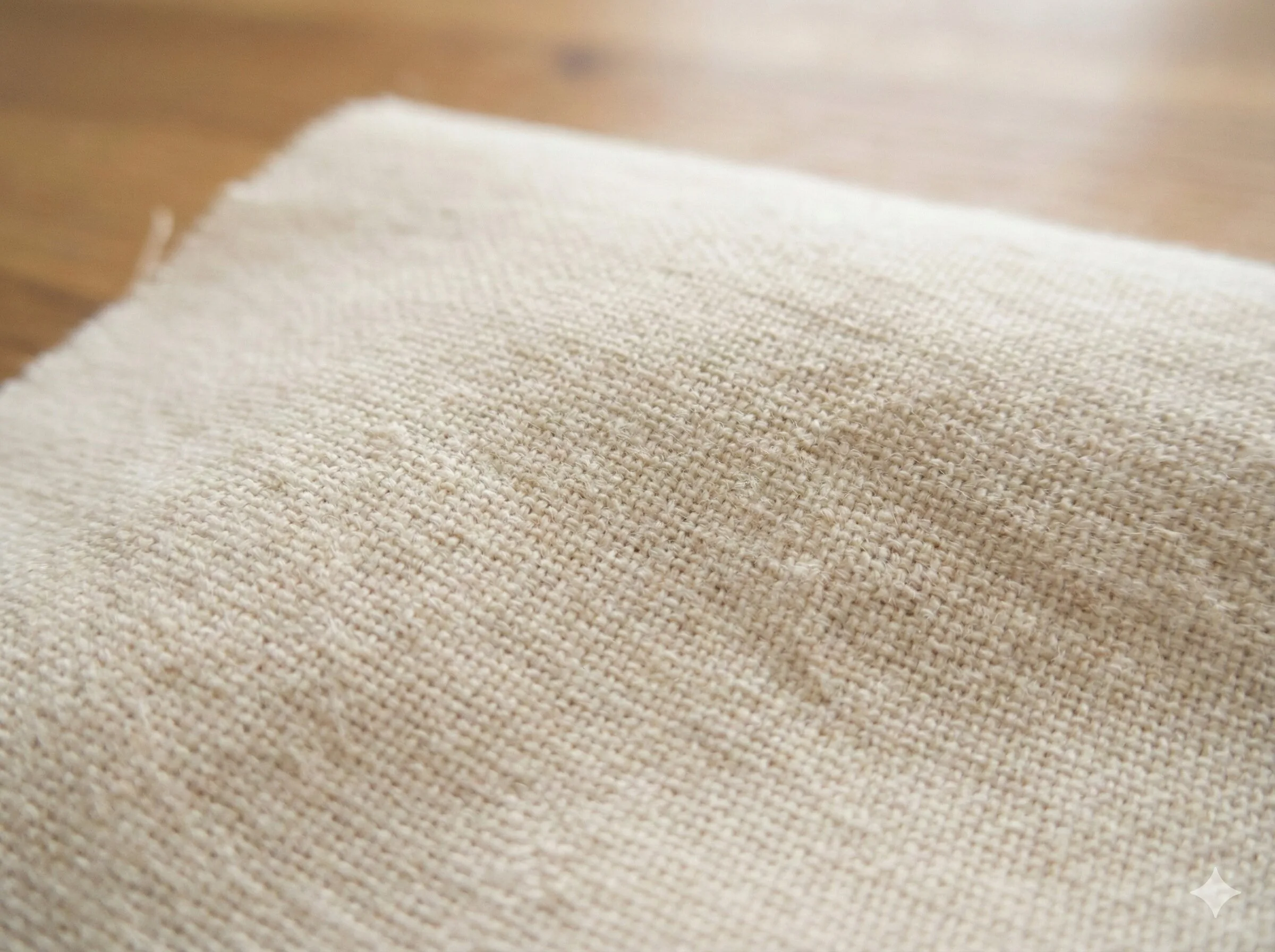
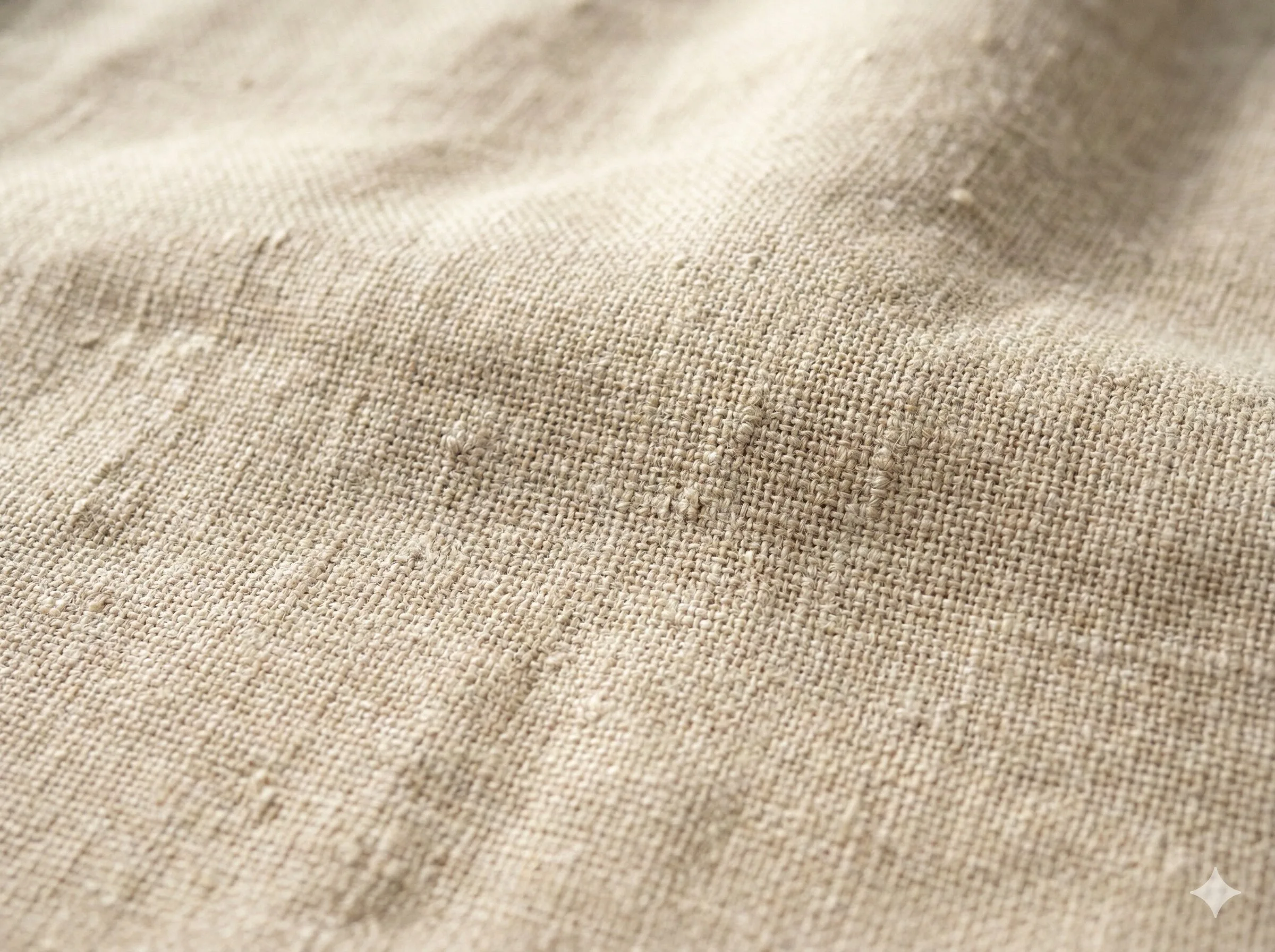
Linen fabric Summer
Plant · 02

Pure Linen

Exceptionally breathable and moisture-wicking. Oldest cultivated textile on Earth — perfect for hot climates.

Read guide
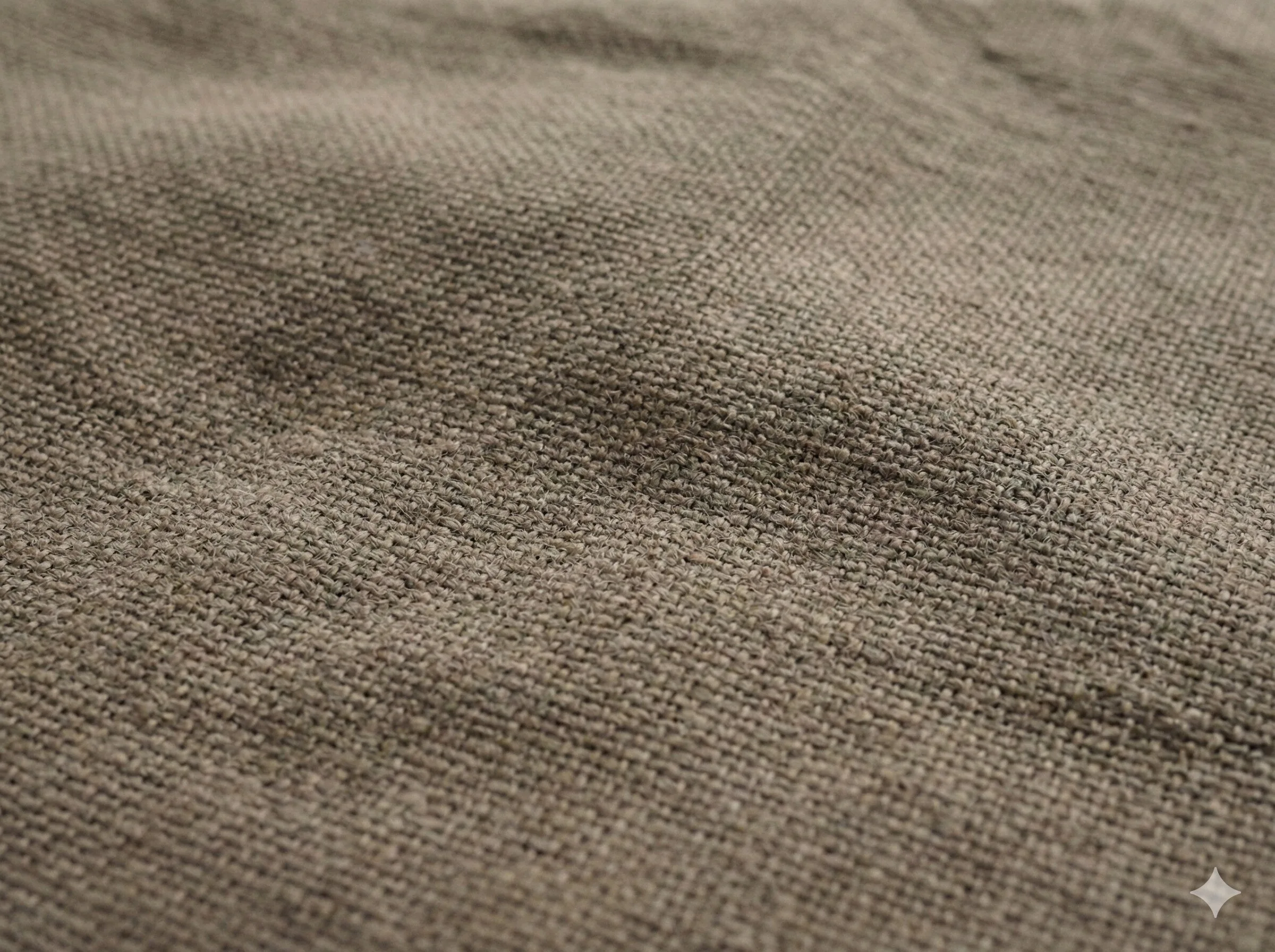
Hemp fabric Eco-Friendly
Plant · 03

Organic Hemp

Incredibly durable and sustainable. Softens with each wash while maintaining its legendary strength.

Read guide
Bamboo fabric Sustainable
Plant · 04

Bamboo Fabric

Naturally antibacterial and hypoallergenic. Soft, absorbent, and grown from one of Earth's fastest-renewing plants.

Read guide
Ramie fabric Durable
Plant · 05

Ramie Fiber

One of the strongest natural fibers. Resistant to bacteria and mildew — holds shape beautifully over time.

Read guide
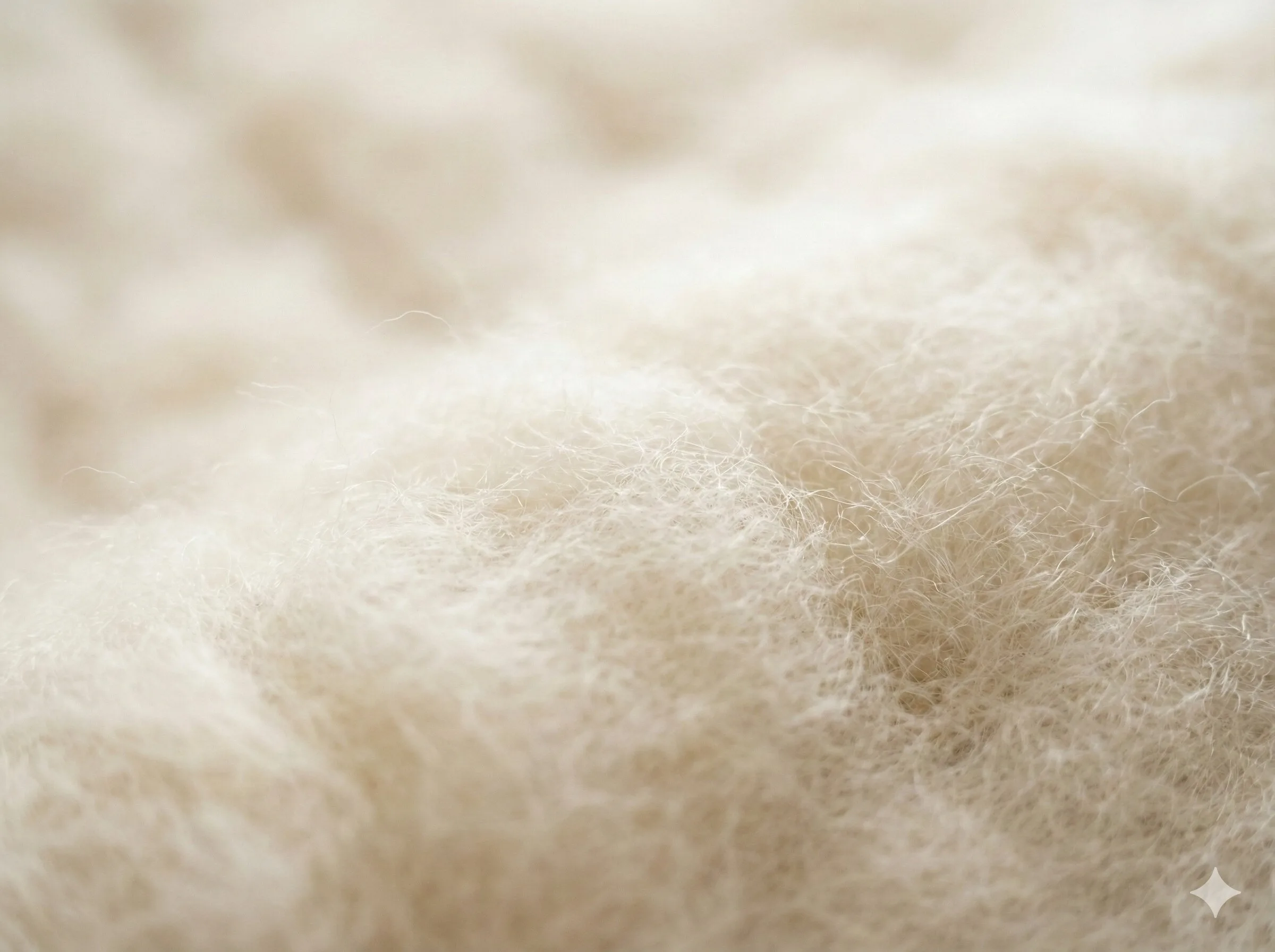
Merino wool fabric Winter
Animal · 06

Merino Wool

Natural insulation with moisture-wicking properties. Warm yet breathable — and renewable every shearing season.

Read guide
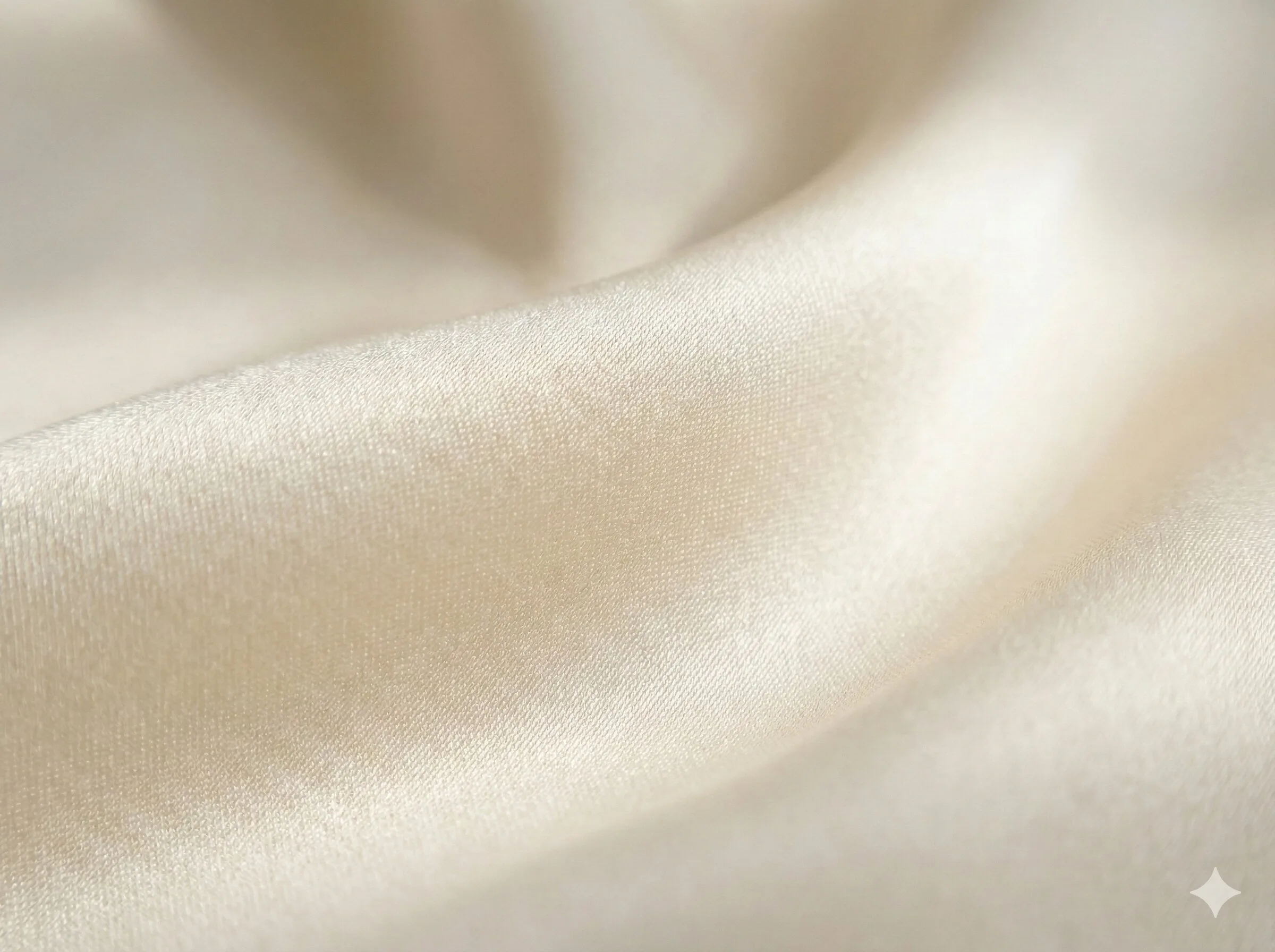
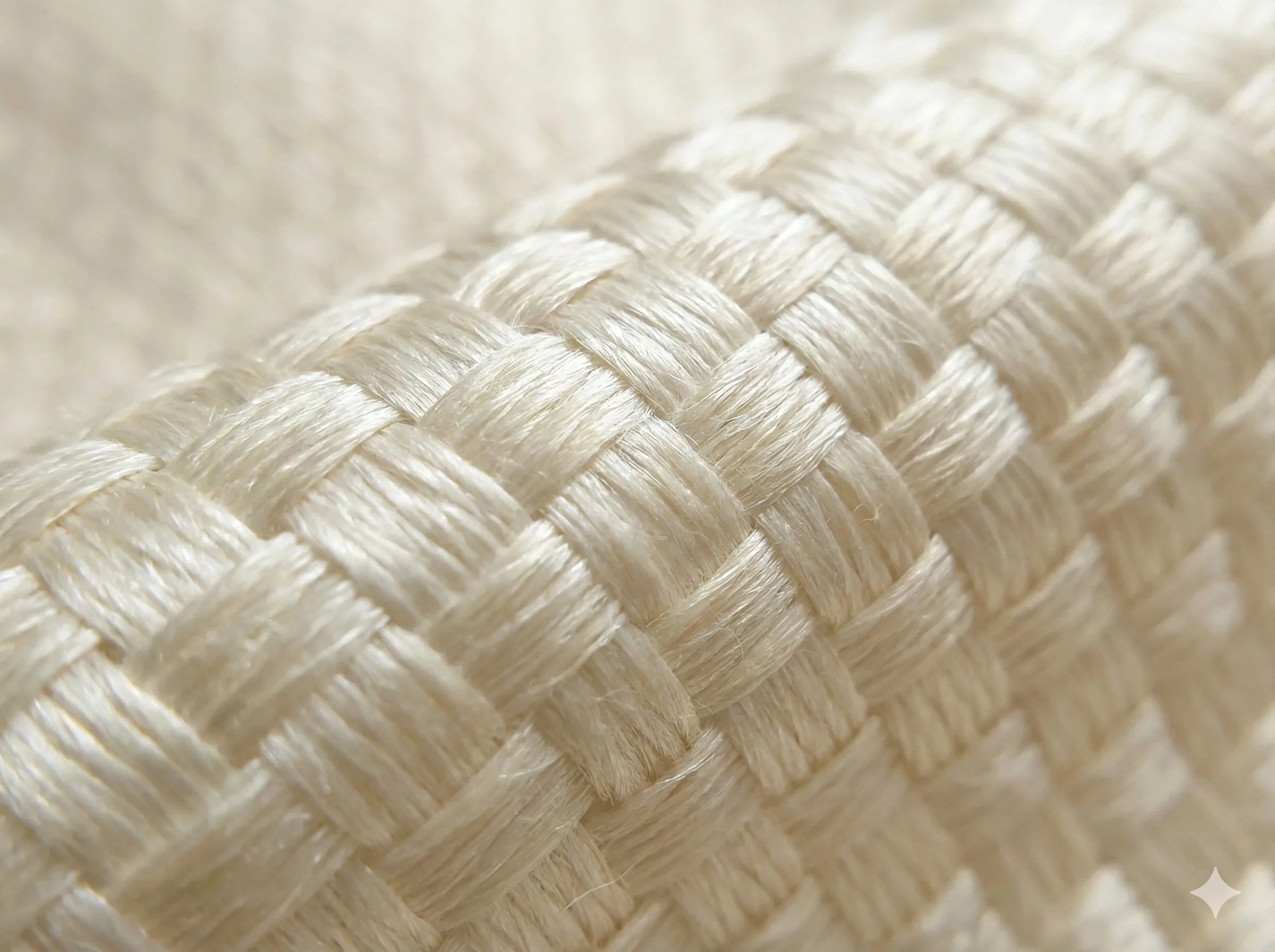
Natural silk fabric Luxury
Animal · 07

Natural Silk

Smooth, lustrous, and naturally temperature-regulating. The ultimate luxury fiber with a 5,000-year history.

Read guide
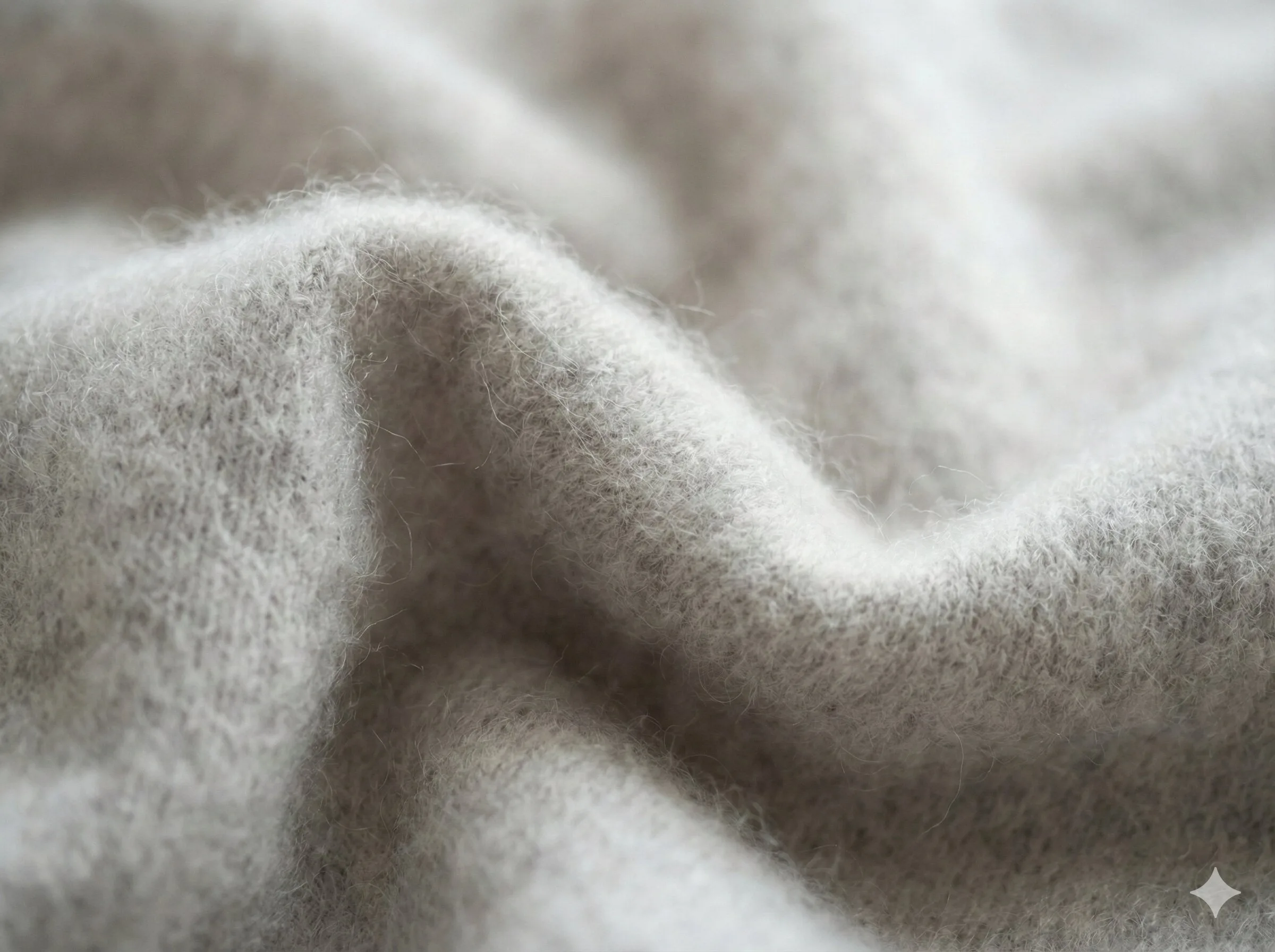
Cashmere fabric Premium
Animal · 08

Pure Cashmere

Ultra-soft and lightweight luxury. Three times warmer than regular wool with exceptional comfort.

Read guide
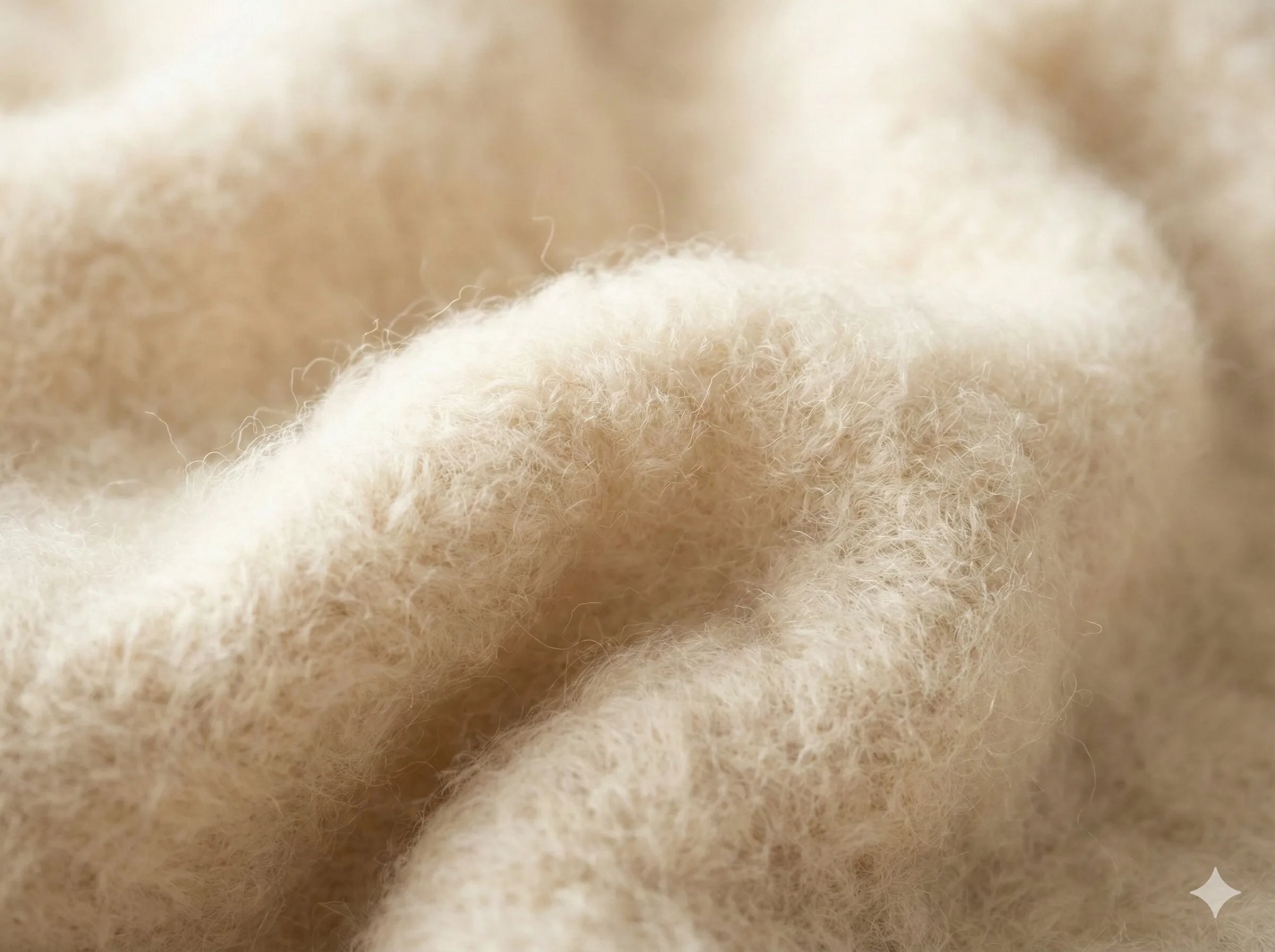
Alpaca fabric Hypoallergenic
Animal · 09

Alpaca Wool

Warmer and softer than sheep's wool. Naturally hypoallergenic — no lanolin, no itch.

Read guide
Head-to-head · 02

Two fibers,
one decision.

Six side-by-side comparisons for the choices people actually agonize over — softness vs sustainability, warmth vs cost, fiber vs weave.

Cotton vs linen comparisonSummer
Plant · vs

Cotton vs Linen

Which fabric is best for summer? A side-by-side on breathability, durability, softness, and cost.

Read comparison
Wool vs cashmere comparisonLuxury
Animal · vs

Wool vs Cashmere

Cashmere is three times warmer per gram than merino — but is it actually worth the premium?

Read comparison
Hemp vs cotton comparisonEco
Plant · vs

Hemp vs Cotton

Half the water, three times the yield, and a fiber that lasts decades. The sustainability case for hemp.

Read comparison
Silk vs satin explainedExplainer
Fiber · vs · weave

Silk vs Satin

One is a natural fiber, one is a weave. Here's the difference — and how to tell real silk from polyester.

Read comparison
Bamboo vs cotton comparisonSustainability
Plant · vs

Bamboo vs Cotton

Why most "eco-friendly" bamboo is actually heavily processed — and which form to look for instead.

Read comparison
Merino vs alpaca comparisonPerformance
Animal · vs

Merino vs Alpaca

Hollow-fiber warmth, hypoallergenic hair, and the moisture-wicking trade-off between two highland fibers.

Read comparison
“Synthetic fabric is a shortcut. Natural fiber is a relationship — with the land, the hands, and the garment.”
Field Notes · 2026
The case · 03

Why we choose
natural.

Six reasons natural fiber clothing outperforms synthetic — from biodegradability to how it ages on the body.

01

Sustainable

Biodegradable and renewable, reducing environmental impact with every garment cycle.

02

Breathable

Natural temperature regulation keeps you comfortable from dawn to dusk.

03

Skin-Friendly

Hypoallergenic options perfect for sensitive skin and long-wear comfort.

04

Durable

Long-lasting quality that softens and improves with proper care.

05

Eco-Conscious

Lower carbon footprint compared to synthetic alternatives at every lifecycle stage.

06

Moisture-Wicking

Naturally absorbs and releases moisture for all-day comfort without odor buildup.