Introduction to Ramie Fiber
Ramie is one of the oldest textile fibers known to humanity, with archaeological evidence of its use dating back to 6000 BCE. Often called "China Grass," ramie comes from the nettle family plant Boehmeria nivea and produces one of the strongest natural fibers available. Despite its remarkable properties, ramie remains one of the lesser-known natural fibers in modern fashion.
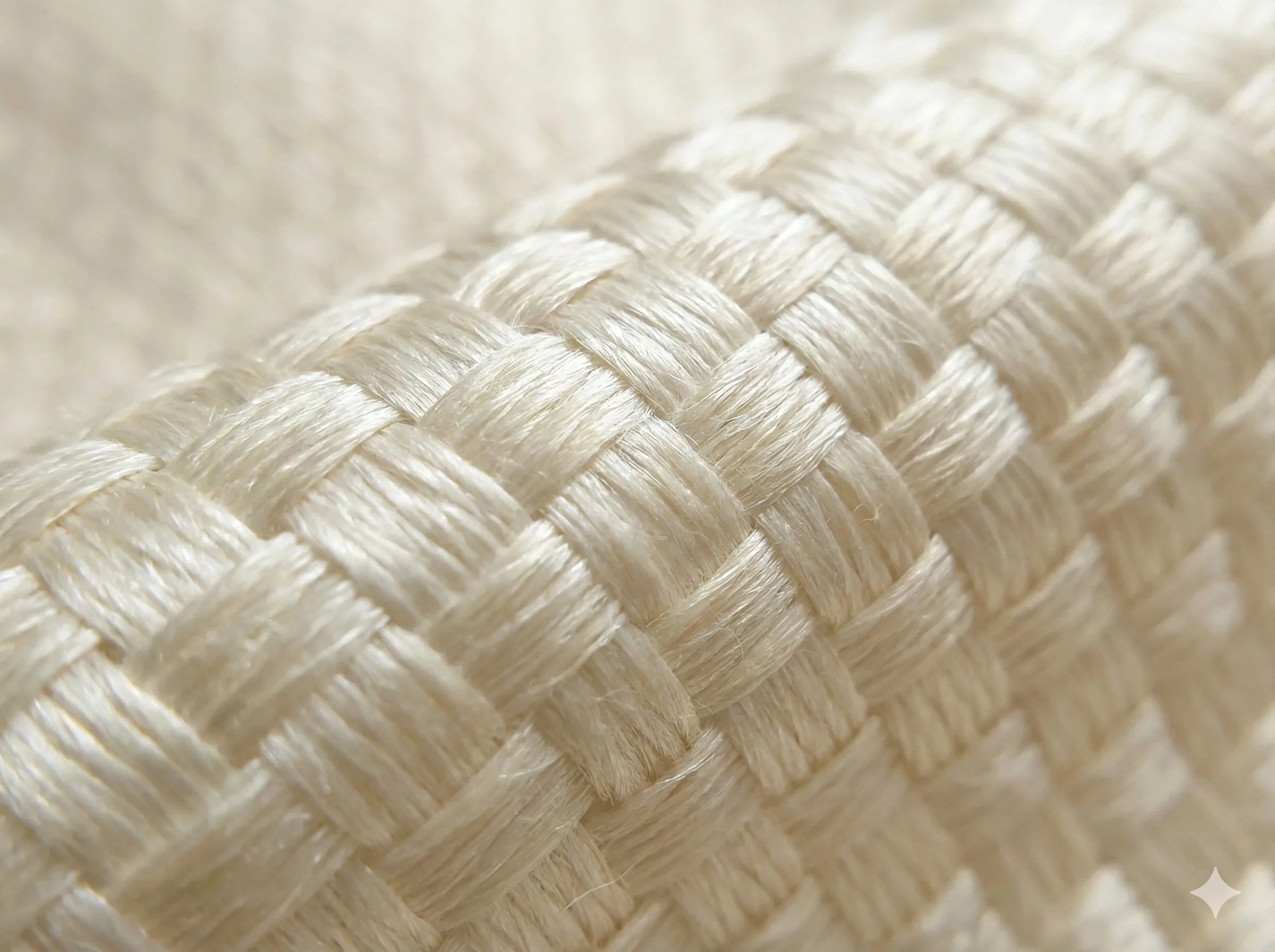
Ramie fabric displaying its characteristic smooth texture and natural luster
Ramie fiber is extracted from the bark of the ramie plant's stalks. The extraction process is labor-intensive, which contributes to ramie's rarity in commercial textiles. However, its exceptional properties make it highly valuable for specific applications where strength and durability are paramount.
Ramie Cultivation Process
Ramie cultivation is both sustainable and efficient:
Rapid Growth
Ramie plants mature in just 80-100 days and can be harvested 3-4 times per year.
Regenerative Properties
Deep roots prevent soil erosion and improve soil structure for subsequent crops.
Natural Pest Resistance
Ramie naturally resists most pests and diseases without requiring pesticides.
Ramie plants grow to heights of 4-8 feet and require minimal inputs compared to other crops. The plant's extensive root system helps it survive drought conditions and continue producing fiber even in challenging environments.
Benefits of Ramie Fiber
Ramie offers unique advantages that make it exceptional for specific applications:
- Unmatched Strength: The strongest of all vegetable fibers, 3-5 times stronger than cotton
- Excellent Absorbency: Absorbs moisture faster than cotton and dries quickly
- UV Resistance: Naturally resistant to ultraviolet light degradation
- Bacterial Resistance: Naturally resists bacteria and mold growth
- Thermal Conductivity: Excellent for hot weather clothing due to cooling properties
- Chemical Stability: Resists alkalis and many chemicals better than other fibers
These properties make ramie ideal for industrial applications, outdoor gear, and clothing for hot, humid climates where durability and moisture management are essential.
Exceptional Strength Properties
Ramie's strength surpasses all other natural fibers:
Tensile Strength
With a tensile strength of 40-100 cN/tex, ramie exceeds cotton (15-25), linen (30-60), and even silk (35-45).
Wet Strength
Unlike many fibers, ramie actually increases in strength when wet, making it ideal for towels and outdoor applications.
Shape Retention
Retains its shape and dimensions even after repeated washing and use.
Historically, ramie was used for ship sails, fishing nets, and military uniforms due to its exceptional strength and durability in harsh conditions.
Unique Properties of Ramie
Beyond strength, ramie has several distinctive characteristics:
Appearance
Natural luster similar to silk, with a smooth, silky feel that improves with washing.
Moisture Management
Transfers moisture away from the skin 40% faster than cotton for superior comfort.
Shrinkage
Minimal shrinkage compared to other natural fibers, maintaining garment dimensions.
Ramie blends well with other fibers, especially cotton and synthetic fibers, to combine strength with comfort and reduce costs for commercial applications.
Ramie Care Instructions
Caring for ramie is straightforward due to its durability:
Washing Ramie
- Machine wash in warm or cold water with mild detergent
- Ramie can withstand higher temperatures than most natural fibers
- Wash with like colors to prevent bleeding
- Pre-shrunk ramie requires minimal special care
Drying Ramie
- Machine dry on medium heat or line dry
- Remove promptly to prevent over-drying
- Line drying maintains the natural fiber properties
- Ramie dries quickly due to its moisture-wicking properties
Ironing Ramie
- Iron while slightly damp for best results
- Use medium-high heat setting
- Steam ironing works exceptionally well with ramie
- Ironing enhances the natural luster of ramie fabric
Environmental Impact of Ramie
Ramie stands out as one of the most environmentally responsible fiber choices:
Despite its environmental benefits and exceptional properties, ramie remains underutilized in mainstream fashion due to the labor-intensive processing required to extract the fiber from the plant.
Top pick: the closest alternative
Ramie isn't widely available in finished consumer products outside of blends. The closest fiber-property match is European Flax linen — a long-staple bast fiber with similar moisture and breathability characteristics. If you've been searching for ramie products, this is the practical substitute.
French Linen Sheet Set (Queen, Stonewashed)
Fiber: 100% French Linen
Linen is the closest commercial fiber to ramie in physical properties: bast-fiber origin, exceptional breathability, fast drying, naturally cooling, and a similar crisp hand that softens with washing. Stonewashed French linen arrives pre-softened — closest available match to a quality ramie weave.