The short answer
Hemp uses about half the water of conventional cotton, needs almost no pesticides, and produces fabric that lasts two to three times longer. Cotton is softer immediately and easier to find at every price point. If durability and sustainability are the priorities, hemp wins; if first-touch softness is the priority, cotton wins.
Hemp clothing has spent most of the last century banished from mainstream wardrobes by association with its cannabis cousin, even though industrial hemp contains negligible THC. Now it's coming back — and the case for it is mostly agronomic. Hemp grows faster than cotton, produces more fiber per acre, and improves the soil it leaves behind.
| Hemp | Cotton | |
|---|---|---|
| Water to produce | ≈10,000 L per kg (conv.) | ≈2,000–5,000 L per kg |
| Pesticides required | Moderate to high (conv.) | Almost none |
| Yield per acre | ≈300 kg | ≈900 kg (3×) |
| Durability | 2–5 years typical | 10–20 years |
| Softness (new) | Soft | Coarser; softens with washes |
| CO₂ sequestered | Low | High (hemp absorbs CO₂ as it grows) |
| Price | $ | $$ |
Water Use
Conventional cotton is famously thirsty: roughly 10,000 liters of water for every kilogram of fiber. Organic cotton uses substantially less, but hemp uses less still — typically 2,000 to 5,000 liters per kilogram, and rain-fed hemp can need essentially none beyond what the sky provides.
In water-stressed regions, this difference is decisive. Hemp grows fine on marginal land where cotton would fail.
Pesticides and Soil Health
Cotton occupies about 2.5% of the world's cultivated land but consumes around 16% of all insecticide and 7% of all pesticides. Hemp, by contrast, is naturally pest-resistant — it grows fast enough to outpace most weeds and has natural defenses against common insects. Most commercial hemp is grown with little or no chemical input.
Hemp also has deep taproots that aerate soil, and after harvest it leaves the soil enriched rather than depleted. It's commonly used in crop rotation for this reason.
Yield and Land Use
An acre of hemp produces roughly three times the fiber of an acre of cotton. Hemp also grows faster — about 100 days from seed to harvest versus 150-plus for cotton. More fiber per acre per year means lower land pressure and a smaller overall footprint per shirt or pair of jeans.
Feel and Break-In
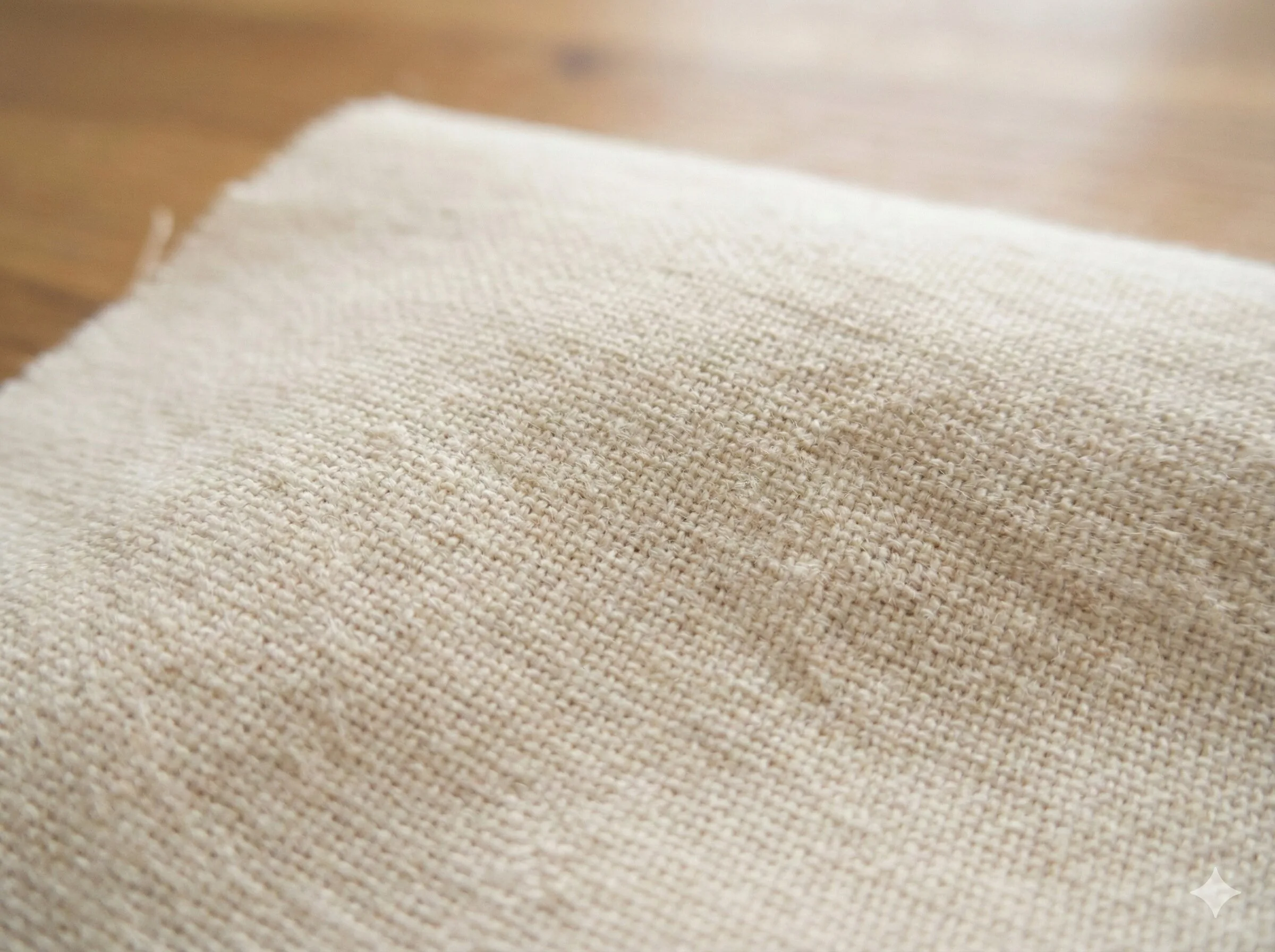
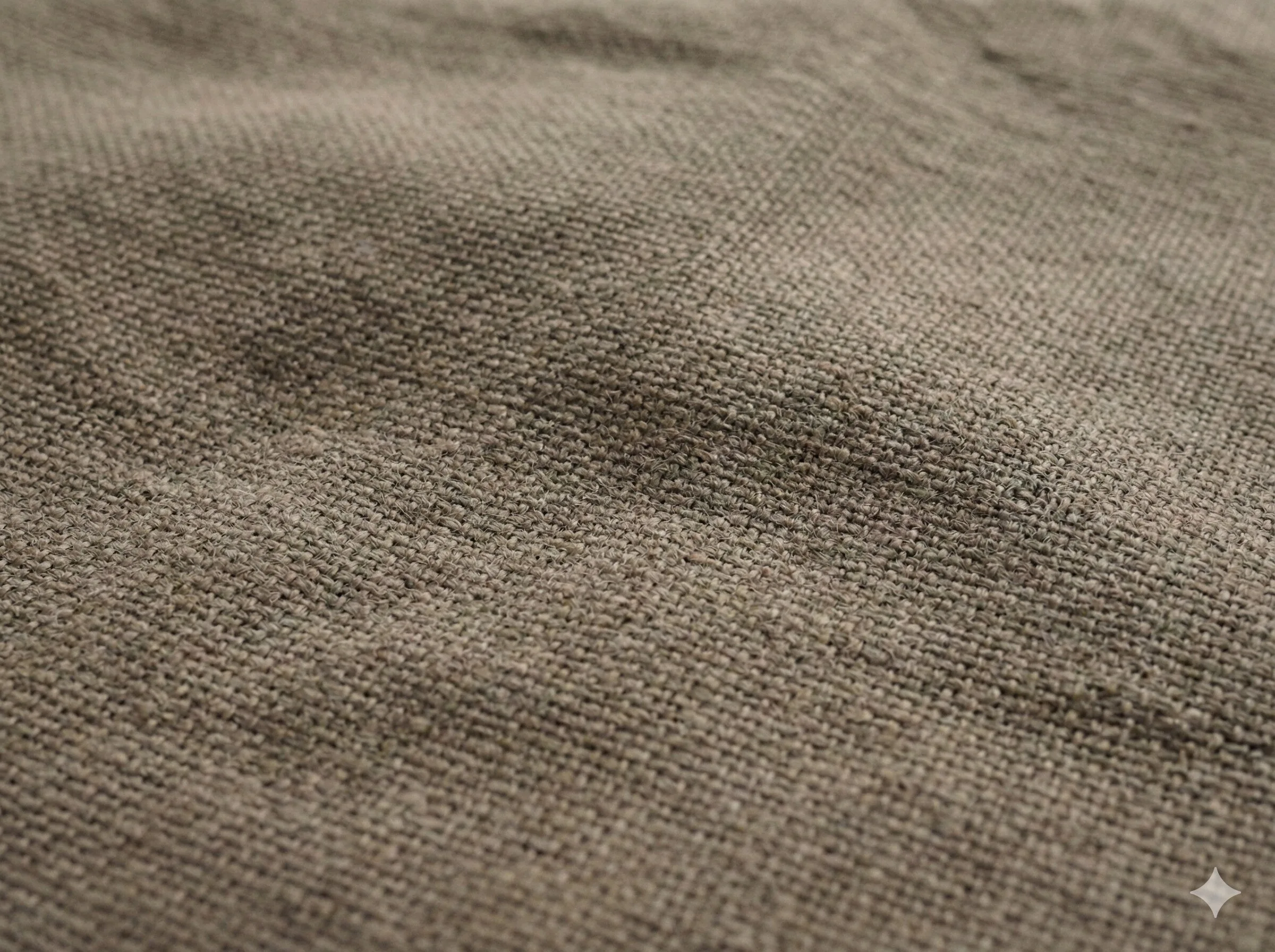
This is where cotton still wins on first impression. Hemp out of the bolt is coarser, sometimes almost canvas-like, especially in pure 100% hemp form. The fibers are stronger and stiffer than cotton, and they take time to relax.
The reward is that hemp keeps softening with every wash for years — long after a cotton shirt would have gone limp. Many modern hemp garments are blended with cotton (55/45 or 70/30) to balance softness from day one with hemp's durability and eco profile.
Durability
Hemp is one of the strongest natural fibers in regular use — comparable to ramie, stronger than cotton or linen. Tensile strength translates into garments that hold their shape and don't tear at stress points. A hemp shirt worn weekly can last 10 to 20 years; the comparable cotton shirt usually fails in 2 to 5.
The durability also extends to UV exposure. Hemp fabric resists fading better than cotton in direct sun — useful for outerwear and outdoor work.
Antimicrobial and Climate Properties
Hemp has naturally antimicrobial properties — bacteria struggle to grow on the fiber surface, which means less odor build-up between washes. The fiber is also hollow, giving it temperature-regulating behavior similar to wool: warm in cool weather, cool in heat.
Hemp blocks more UV than cotton at the same weave density — a useful detail for sun-exposed work or summer outerwear.
Price and Availability
Hemp clothing usually costs more than cotton at the cash register because the supply chain is younger and smaller, especially in the US where industrial-hemp restrictions were only fully lifted in 2018. Most processing infrastructure is still in China and Europe, adding transport and import costs.
The cost-per-wear math usually flips in hemp's favor once you account for lifespan, but the upfront premium is real.
When to Choose Each
Choose hemp for: work shirts, jackets, jeans, bags, anything you want to keep for a decade. Look for hemp/cotton blends if you want more immediate softness with most of the durability benefits.
Choose cotton for: base layers, T-shirts, underwear, fitted knit pieces, baby clothes, and anywhere immediate softness matters more than ten-year longevity. Buy organic if budget allows.
Frequently Asked Questions
Is hemp clothing actually more sustainable than cotton?
On most metrics, yes. Hemp uses about half the water, almost no pesticides, produces three times more fiber per acre, and improves the soil it grows on. Even organic cotton — already much greener than conventional — has a heavier water footprint than hemp.
Why is hemp clothing so expensive?
Hemp infrastructure is still recovering from nearly a century of legal restrictions in the United States. Most commercial hemp processing happens in China or Europe, which adds transportation cost. As US-domestic processing scales back up, prices are expected to come down.
Is hemp clothing scratchy?
Pure 100% hemp can feel coarse when new, similar to linen before its first wash. It softens substantially after the first few washes and continues softening for years. Hemp/cotton blends (55/45 or 70/30) deliver hemp's durability with cotton's immediate softness.
Does hemp clothing smell like marijuana?
No. Industrial hemp contains less than 0.3% THC, and the fiber itself has no smell. The 'hemp scent' some people associate with cannabis comes from the flowering tops, which are not part of fiber production.
Can hemp clothing replace cotton entirely?
Technically yes — hemp can be processed into everything from base layers to denim. Practically, hemp's break-in period and higher initial cost mean it's better suited to outer layers and durable pieces where it can shine, while cotton remains the first-choice for skin-contact basics.
How do I care for hemp clothing?
Hemp is unfussy. Wash cold or warm with a mild detergent, tumble dry low or line dry. It actually softens with each wash. Iron on medium heat if you want a crisp finish, or wear the wrinkles. Hemp resists shrinkage better than cotton.