Introduction to Alpaca Wool
Alpaca wool comes from the domesticated South American camelid, the alpaca, which has been selectively bred for fiber production for over 6,000 years. Unlike sheep's wool, alpaca fiber is incredibly soft, warm, and hypoallergenic, making it an ideal choice for those with sensitive skin or wool allergies.
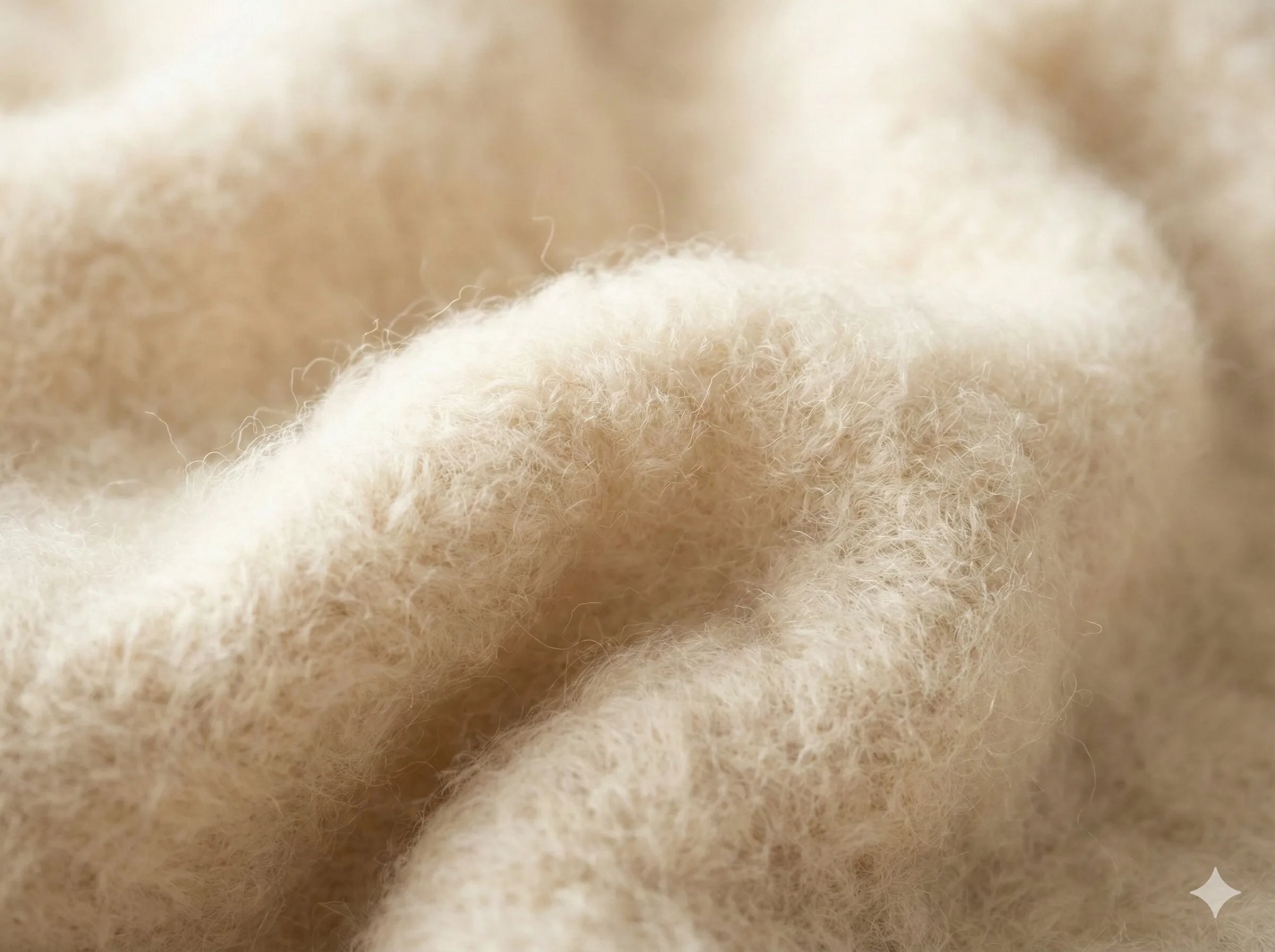
Alpaca wool fabric displaying its incredibly soft texture and natural luster
Alpacas produce fleece in over 20 natural colors, ranging from white to black, eliminating the need for dyeing in many cases. This results in a more environmentally friendly product while showcasing the natural beauty of the fiber.
Alpaca Wool Production
Alpaca shearing is a humane and sustainable process:
High Altitude Origin
Alpacas thrive in the Andes mountains, producing fine fiber adapted to extreme temperatures.
Humane Shearing
Alpacas are sheared annually without harm, similar to sheep shearing.
Annual Yield
Each alpaca produces 5-10 pounds of fleece annually, with two main fiber grades.
Alpaca fleece consists of two main types: Huacaya (fluffy, crimped fibers like sheep's wool) and Suri (long, silky locks). Huacaya is more common and suitable for most textile applications, while Suri is prized for its silk-like properties.
Benefits of Alpaca Wool
Alpaca offers unique advantages that distinguish it from other luxury fibers:
- Superior Warmth: Seven times warmer than sheep's wool of equal thickness
- Lightweight Comfort: Hollow fibers provide warmth without bulk
- Naturally Water-Resistant: Repels moisture while allowing breathability
- Non-Itchy: Lacks the scales that cause itching in sheep's wool
- Long-Lasting: Strong fibers resist pilling and maintain shape
- Natural Colors: Available in 20+ natural shades without dyeing
The hollow structure of alpaca fibers creates tiny air pockets that provide exceptional insulation. This makes alpaca garments ideal for cold weather while remaining breathable enough for year-round comfort.
Hypoallergenic Properties
Alpaca's hypoallergenic nature sets it apart from other animal fibers:
No Lanolin
Unlike sheep's wool, alpaca contains no lanolin, eliminating the most common allergen in wool.
Smooth Fiber Surface
Lacks the microscopic scales that irritate skin in sheep's wool.
Antimicrobial Properties
Naturally resists bacteria and odor, making garments fresher longer.
These properties make alpaca an excellent choice for individuals with eczema, sensitive skin, or wool sensitivities who want the benefits of natural fiber without the discomfort.
Alpaca Care Instructions
Alpaca is relatively easy to care for due to its natural properties:
Washing Alpaca
- Hand wash in cool water (below 20°C) with a gentle wool detergent
- Use minimal agitation to preserve fiber structure
- Never wring or twist alpaca garments
- Rinse thoroughly in cool water
Drying Alpaca
- Lay flat on a clean towel to dry naturally
- Reshape while damp to maintain original form
- Never hang alpaca while wet or dry in direct sunlight
- Never use a dryer or heating device
Storing Alpaca
- Fold and store in breathable containers or drawers
- Use cedar blocks or lavender sachets to deter moths
- Avoid plastic bags for long-term storage
- Alpaca naturally resists moths better than sheep's wool
Alpaca vs Other Luxury Wools
| Fiber Type | Warmth | Hypoallergenic | Weight | Price Range |
|---|---|---|---|---|
| Alpaca Wool | ★★★★★ | ★★★★★ | ★★★★★ | Medium-High |
| Merino Wool | ★★★★☆ | ★★★☆☆ | ★★★★☆ | Medium |
| Cashmere | ★★★★★ | ★★★★☆ | ★★★★☆ | Very High |
Ethical Alpaca Farming
Responsible alpaca farming prioritizes animal welfare and environmental stewardship:
When purchasing alpaca products, look for certifications that verify ethical farming practices and animal welfare standards to ensure your purchase supports responsible producers.
Top picks: alpaca where it outperforms
Alpaca's best use cases — accessories and socks — are where the fiber's hollow-core structure beats both wool and cashmere on warmth-to-weight. These three picks are the right placements.
Alpaca Wool Scarf (Unisex, Neutral)
Fiber: 100% Alpaca
A long alpaca scarf in a neutral color is the highest-warmth, lowest-effort cold-weather upgrade. Wrap it twice, tuck the ends in, and your neck stays warm at 15°F. Outperforms most cashmere scarves at half the price.
Alpaca Wool Beanie (Unisex, Outdoor)
Fiber: 100% Alpaca
Lightweight, packable, warmer-per-gram than wool, doesn't itch. A folded alpaca beanie weighs nothing in a pack — the right piece when an exposed ridge gets cold.
Alpaca Wool Socks (Unisex)
Fiber: 100% Alpaca
The hollow-fiber structure stays cool in heat and warm in cold — surprising people who think 'wool' equals 'hot.' For casual everyday wear and warm-weather hiking, alpaca socks beat cotton on durability and beat polyester on odor.