Introduction to Bamboo Fabric
Bamboo fabric has emerged as one of the most innovative and sustainable textiles of the 21st century. Derived from the fast-growing bamboo plant, this fabric combines the softness of silk with the durability of cotton, along with natural antibacterial properties that make it uniquely beneficial for apparel.
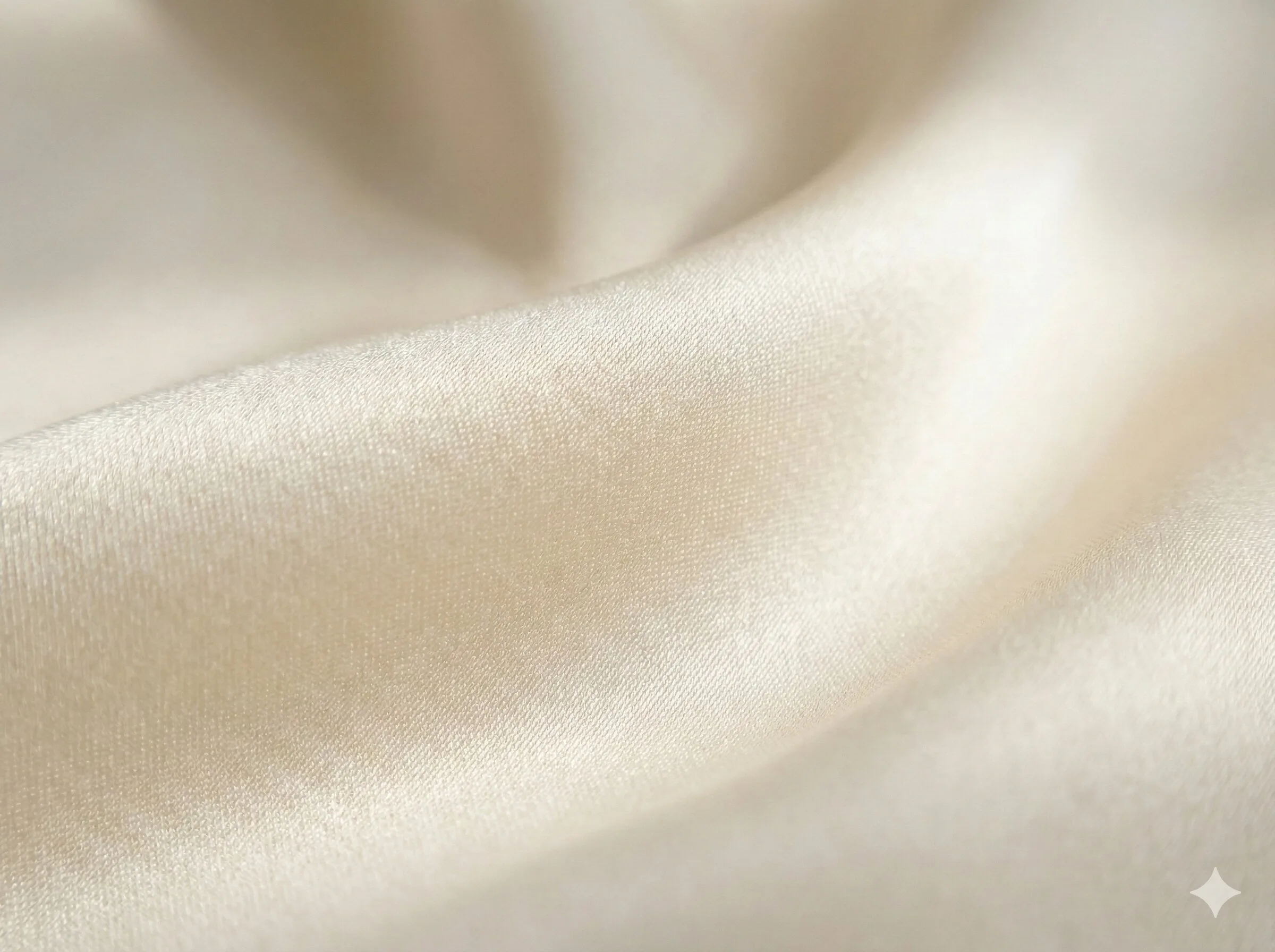
Bamboo fabric displaying its characteristic smooth, silky texture and natural luster
Bamboo is technically a grass, not a tree, and it's the fastest growing plant in the world. Some varieties can grow up to 3 feet in a single day without replanting, making bamboo an incredibly renewable resource. The resulting fabric is naturally hypoallergenic, moisture-wicking, and odor-resistant.
Bamboo Fiber Production Methods
There are two primary methods for producing bamboo fiber:
Mechanical Processing
Uses natural enzymes to break down bamboo, creating a fiber similar to linen. More eco-friendly but produces coarser fabric.
Chemical Processing
Uses solvents to create soft, silky bamboo viscose. More common but requires careful chemical management.
Lyocell Process
Uses closed-loop recycling of solvents, creating eco-friendly bamboo lyocell with excellent properties.
Modern bamboo fabric production has evolved to minimize environmental impact while maximizing the natural benefits of bamboo. The most sustainable methods use closed-loop systems that recover and reuse solvents, dramatically reducing waste.
Benefits of Bamboo Fabric
Bamboo offers unique advantages that set it apart from other natural fibers:
- Natural Antibacterial Properties: Contains "bamboo kun," a natural antimicrobial agent
- Moisture-Wicking: Absorbs 3x more moisture than cotton for superior comfort
- Temperature Regulation: Keeps you cool in summer and warm in winter
- Hypoallergenic: Naturally resistant to allergens and dust mites
- UV Protection: Blocks up to 98% of harmful UV rays
- Odor Resistant: Prevents bacterial growth that causes odors
These properties make bamboo fabric particularly suitable for activewear, undergarments, baby clothes, and anyone with sensitive skin or allergies.
Antibacterial Properties
Bamboo's natural antimicrobial properties are unique among textile fibers:
Bamboo Kun
This bio-agent naturally prevents the growth of bacteria, fungi, and odors in bamboo fabric.
Scientific Validation
Tests show bamboo fabric retains 99.8% of its antibacterial properties after 50 washes.
Practical Benefits
Garments can be worn longer between washes, reducing water usage and extending garment life.
Unlike synthetic fabrics treated with antimicrobial chemicals, bamboo's properties are inherent to the fiber structure and don't wash out over time.
Bamboo Care Instructions
Proper care maintains bamboo's beneficial properties:
Washing Bamboo
- Machine wash in cold or warm water (up to 40°C) with mild detergent
- Turn garments inside out to protect the fabric surface
- Use liquid detergent rather than powder to prevent residue
- Separate dark colors to prevent bleeding
Drying Bamboo
- Low heat tumble dry or line dry for best results
- Remove promptly to prevent wrinkles
- Avoid high heat which can damage the fiber structure
- Line drying preserves antibacterial properties
Special Considerations
- Iron on low-medium heat if needed
- Use non-chlorine bleach only if absolutely necessary
- Store in breathable containers to maintain freshness
- Rotate bamboo items to allow full drying between wears
Bamboo vs Other Natural Fibers
| Fiber Type | Antibacterial | Moisture-Wicking | UV Protection | Softness |
|---|---|---|---|---|
| Bamboo | ★★★★★ | ★★★★★ | ★★★★★ | ★★★★☆ |
| Cotton | ★★☆☆☆ | ★★★☆☆ | ★★☆☆☆ | ★★★★☆ |
| Linen | ★★★☆☆ | ★★★★☆ | ★★★★☆ | ★★★☆☆ |
Sustainable Production of Bamboo
Bamboo's environmental credentials are impressive when produced responsibly:
When choosing bamboo fabric, prioritize products with third-party certifications that verify both environmental claims and safety standards for the finished product.
Top picks: bamboo products that earn their place
Bamboo is at its best in next-to-skin applications — socks, sheets, baby bedding. These four picks reward the soft-hand performance bamboo lyocell is known for.
Bamboo Crew Socks (Unisex, 5-Pack)
Fiber: Bamboo Viscose Blend
Stay drier than cotton, smell less after a long day, and the buttery-soft hand against skin is a small daily luxury. A 5-pack runs about a year of weekly wear.
Bamboo Bed Sheet Set (Queen, OEKO-TEX)
Fiber: Bamboo Lyocell
OEKO-TEX certified bamboo lyocell — the closed-loop processing that addresses the standard objection to bamboo viscose's chemistry. Smoother fiber surface, more cooling, drapes closer to the body.
Bamboo Crib Sheet (Fitted, OEKO-TEX)
Fiber: Bamboo Lyocell
OEKO-TEX Class I certification — the strictest tier for baby products in direct skin contact. Cooler, smoother, faster-drying after night-time accidents.
Bamboo Bath Towel Set (6-Piece, OEKO-TEX)
Fiber: Bamboo
For guest bathrooms that sit unused for weeks, or for humid climates, bamboo stays fresh longer than cotton — and feels noticeably softer against skin.