The short answer
Most bamboo clothing is bamboo viscose — extremely soft, but produced through a heavy chemical process that strips away most of the plant's natural sustainability case. Mechanically processed bamboo linen is truly eco-friendly but rare and much coarser. Organic cotton, while less soft than bamboo viscose, has a more honest sustainability story for everyday wear.
Bamboo is one of the fastest-growing plants on Earth and needs no pesticides or replanting. The marketing usually ends there. But the bamboo plant in the field and the bamboo fabric on your skin are separated by a serious industrial process, and what happens in between is where the eco-friendly story gets complicated.
| Bamboo | Cotton | |
|---|---|---|
| Plant growth | Very fast (3–5 years) | Fastest natural fiber plant (≈1 year) |
| Pesticides at farm | Moderate (conv.) or none (organic) | None — bamboo is naturally pest-resistant |
| Processing | Mechanical/chemical | Heavy chemical (viscose) or mechanical (linen) |
| Softness | Soft (gets softer over time) | Extremely soft (silk-like) |
| Durability | 2–5 years typical | 1–3 years (viscose); 10+ years (linen form) |
| Sustainability honesty | GOTS-certified = strong | Look for OEKO-TEX, FSC, lyocell process |
| Price | $ | $ to $$ |
What 'Bamboo Fabric' Actually Means
The bamboo plant doesn't naturally yield a soft fiber. To make wearable cloth from it, manufacturers use one of three processes:
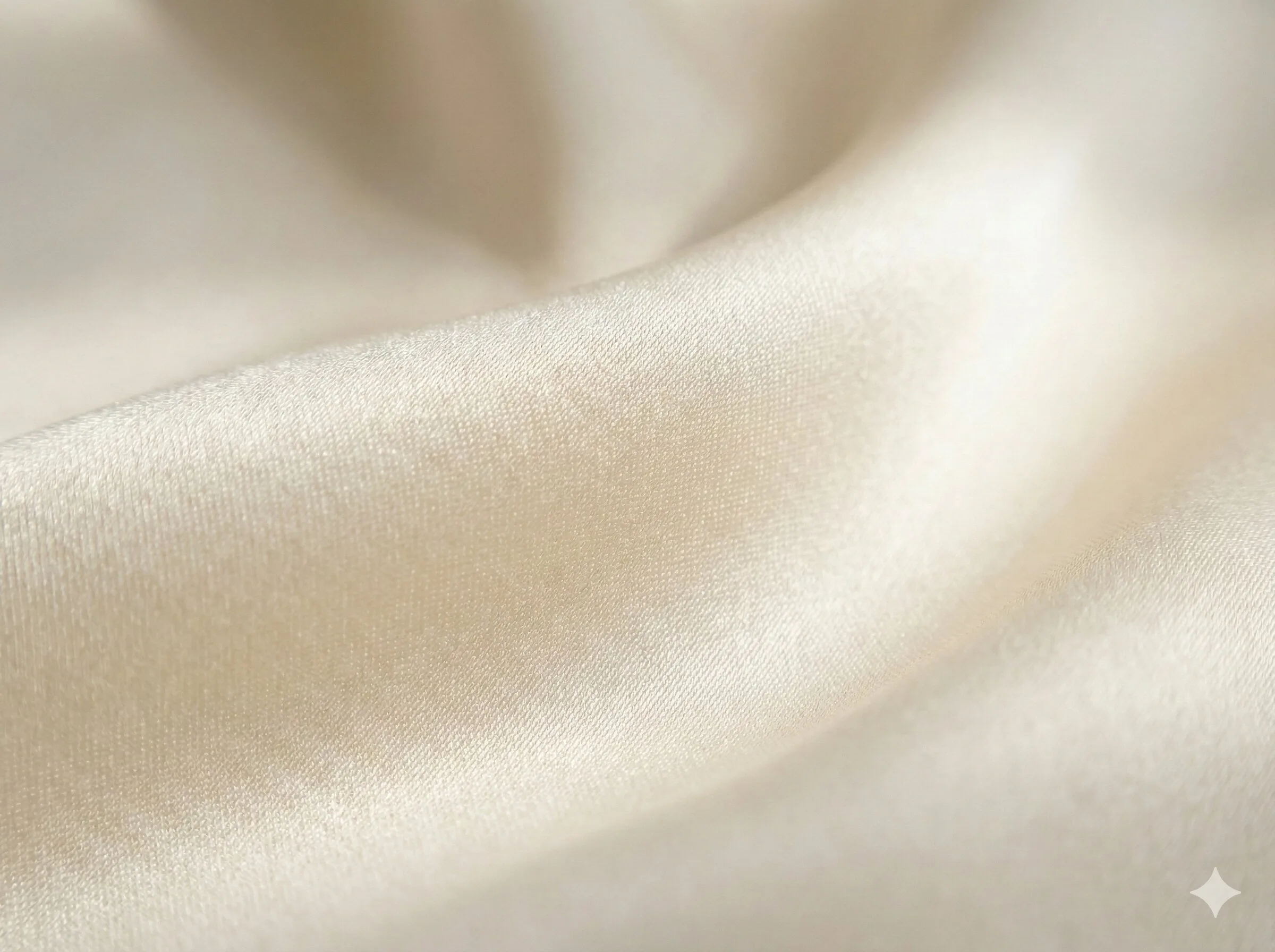
- Bamboo viscose (rayon): The most common. Bamboo is dissolved in carbon disulfide and regenerated as filaments. This is the silky-soft fabric in 95% of bamboo clothing.
- Bamboo lyocell: Same idea but with a closed-loop solvent system (typically NMMO) that recycles 99% of the chemical. Much greener.
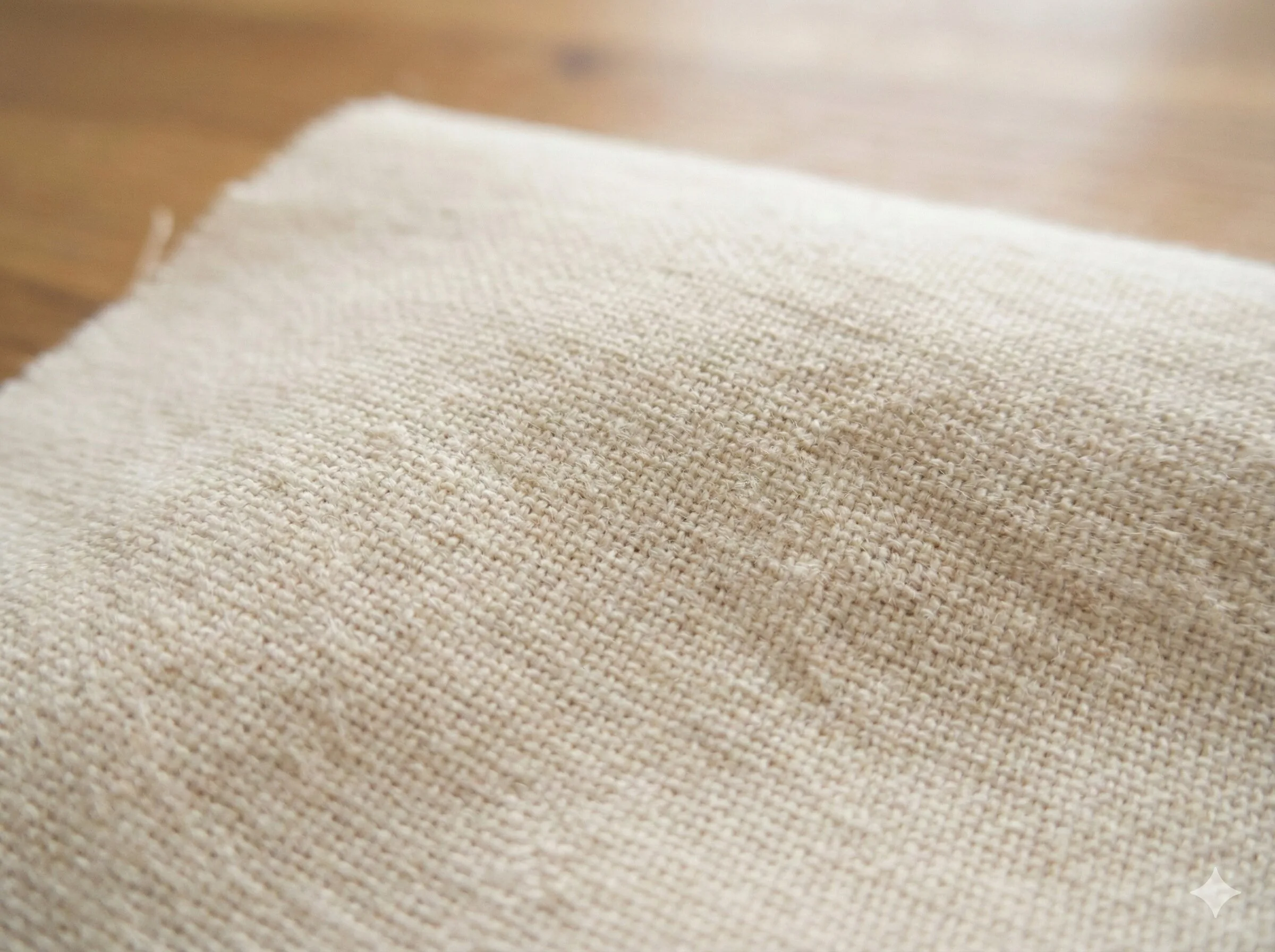
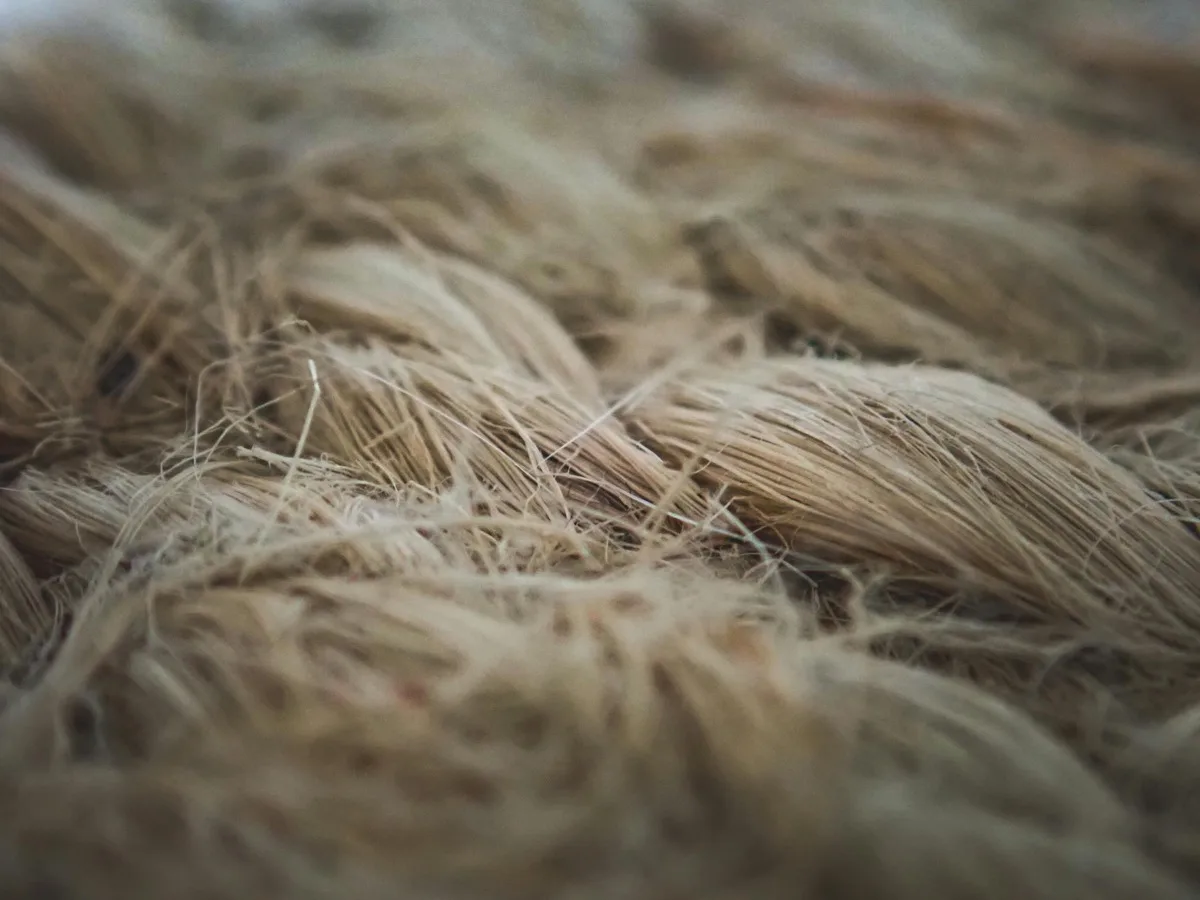
- Bamboo linen: Mechanical extraction, like flax. Rare, expensive, coarse — but truly natural.
The label 'bamboo' covers all three. Without more information, the safe assumption is viscose.
The Sustainability Asterisk
At the plant level, bamboo is excellent. It grows with no irrigation, no pesticides, sequesters more CO₂ per acre than most trees, and regenerates from its own roots after cutting — no replanting needed.
At the fabric level, conventional bamboo viscose involves carbon disulfide, a known neurotoxin to workers and a significant air-pollution source. Most of the chemical is released back into the environment unless the manufacturer runs a closed-loop system, which costs more.
So 'bamboo is sustainable' depends entirely on the processing method. Look for OEKO-TEX 100, FSC, or lyocell labeling to verify cleaner production.
Softness
Bamboo viscose feels remarkable — frequently compared to silk or cashmere on the skin. The regeneration process produces filaments that are exceptionally fine and smooth. Cotton, even fine Pima or Egyptian cotton, doesn't match the slick drape of bamboo viscose.
Mechanically processed bamboo (linen form) is much closer to flax linen in feel — coarse at first, softening over time.
Durability and Pilling
This is where bamboo viscose loses ground. The regenerated filaments are inherently weaker than natural cotton fibers, especially when wet. Bamboo viscose garments often start pilling within months of regular wear, and the fabric loses its silky hand within a year or two.
Quality cotton, especially long-staple varieties, stays intact longer. Bamboo lyocell is more durable than bamboo viscose; bamboo linen is the most durable of the three.
Breathability and Moisture
Bamboo viscose is moderately breathable and wicks moisture well — better than cotton in humid heat, comparable to it in dry conditions. The fabric is naturally antibacterial in the plant form, but research is divided on whether those properties survive the chemical processing into viscose. Some studies show retention, others show none.
Cotton's breathability is well-documented, and organic cotton can be certified for residue-free skin contact via GOTS.
Cost
Bamboo viscose is usually priced similarly to conventional cotton — the carbon-disulfide process is mature and cheap. Bamboo lyocell costs 30 to 50% more. Bamboo linen, when you can find it, is on par with European flax linen.
Cotton's price ranges much wider, from fast-fashion conventional to certified-organic premium tiers — but the lower end is the most direct price competitor to bamboo viscose.
What to Look For on the Label
If you want bamboo for its softness without the chemical-processing concerns:
- Look for 'bamboo lyocell' specifically, or brand names like Monocel or TENCEL Lyocell (when made from bamboo).
- OEKO-TEX Standard 100 certifies no harmful residues in the finished fabric.
- FSC certifies sustainably managed plantation.
- Avoid generic 'bamboo' or 'bamboo rayon' labels without any certification — the chemical process is almost certainly conventional viscose.
When to Choose Each
Choose bamboo (lyocell or linen) for: luxurious sleepwear, base layers, summer T-shirts, and pieces where ultra-softness is the primary consideration. Stick to certified processing for the eco case.
Choose cotton (organic) for: everyday basics, baby and children's clothing, underwear, fitted knits, and anything where you want certified-sustainable production with a fully transparent supply chain.
Frequently Asked Questions
Is bamboo really more sustainable than cotton?
It depends on the processing. The bamboo plant itself is far greener than cotton — no pesticides, minimal water, fast growth. But conventional bamboo viscose uses carbon disulfide, a toxic chemical. If you want the sustainability case, look specifically for bamboo lyocell or OEKO-TEX-certified bamboo viscose.
What's the difference between bamboo viscose and bamboo lyocell?
Both turn bamboo into soft, wearable fiber via a chemical dissolution-and-regeneration process. Viscose uses carbon disulfide, much of which is released into the environment. Lyocell uses a closed-loop NMMO solvent system that recycles 99% of the chemical. Lyocell is significantly more sustainable; the trade-off is higher cost.
Is bamboo fabric naturally antibacterial?
The bamboo plant has natural antibacterial properties (a compound called bamboo kun). Whether these survive into the finished viscose fabric is debated — some studies show retention, others show none. The FTC has fined bamboo brands for unsupported antibacterial claims, so be skeptical of marketing without testing data.
Why does bamboo clothing pill so quickly?
Bamboo viscose filaments are weaker than natural cotton fibers, especially when wet. The regenerated cellulose breaks down under abrasion faster than long-staple cotton. Bamboo lyocell is significantly more durable; bamboo linen (mechanical processing) is the most durable form.
Is bamboo softer than cotton?
Bamboo viscose is dramatically softer than even fine cotton — it's often compared to silk or cashmere. The trade-off is reduced durability. Cotton offers a more balanced softness-to-longevity ratio, especially long-staple varieties like Pima or Egyptian cotton.
Can I machine-wash bamboo clothing?
Yes, but gently. Wash bamboo in cold water on a delicate cycle, with a mild detergent. Avoid fabric softener (it coats the fibers and reduces moisture-wicking). Lay flat or hang to dry — high-heat tumble drying significantly shortens bamboo viscose's already-limited lifespan.